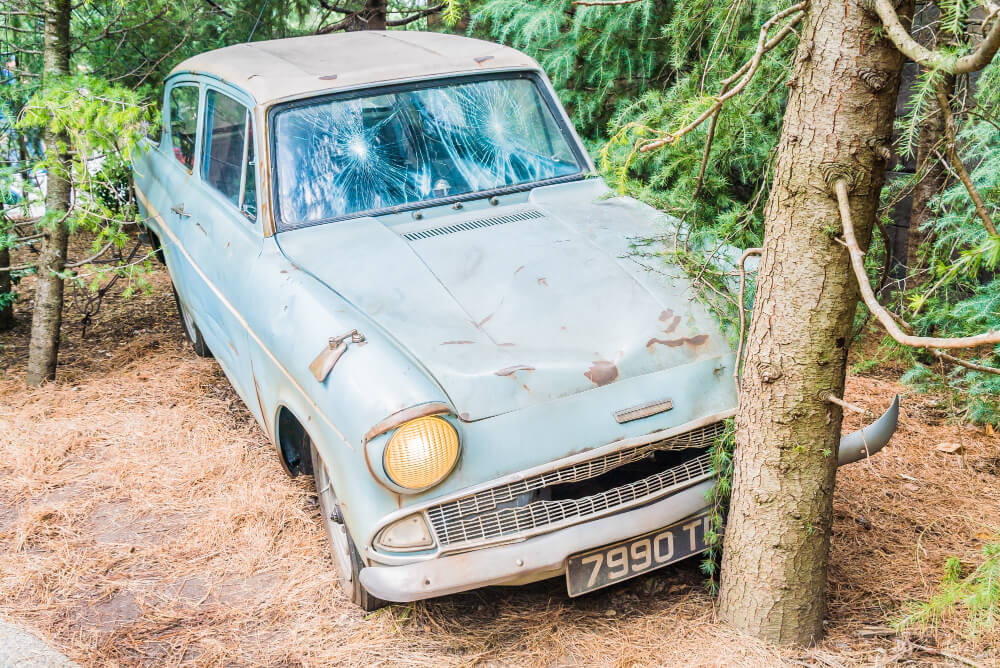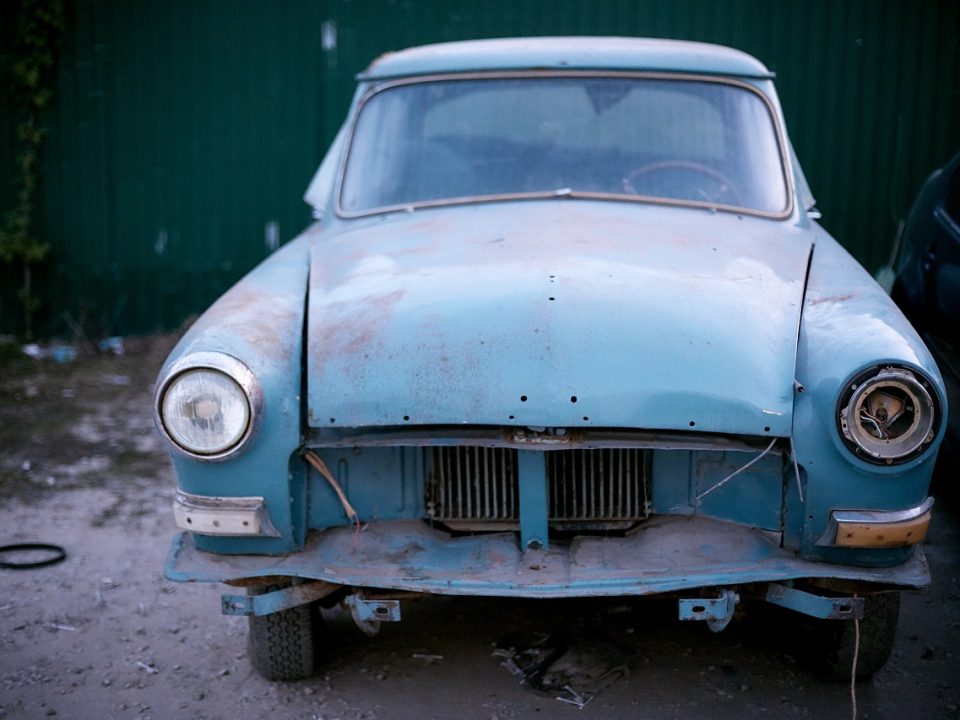

Dealing with a loved one’s possessions after their passing creates overwhelming emotions and complex decisions. Many Philadelphia families inherit junk cars that haven’t run in years, have significant mechanical problems, or have suffered damage during long-term storage.
This guide provides practical information about handling inherited junk cars in Philadelphia, covering legal requirements, value assessment, disposal options, and common pitfalls to avoid. At Capstone Towing Company, we work with Philadelphia families navigating these challenging situations with sensitivity and expertise. Contact us at 267-365-7210 to discuss wrecker services for your specific inherited vehicle circumstances.
In Pennsylvania, a vehicle still requires proper legal handling after the owner passes away, even if it is old, non-running, or only worth scrap. In most cases, the executor or administrator of the estate is responsible for transferring the title or authorizing the vehicle’s disposal. There is no strict deadline tied to the executor’s appointment, and probate timelines often affect how quickly this process can happen.
Estate and probate rules can influence when a vehicle may be legally sold or removed. Requirements depend on how the estate is being handled and the total value of the estate, not just the value of the vehicle. Smaller estates may follow simpler procedures, while larger estates usually require formal probate authority.
Outstanding loans or liens must be addressed before a vehicle can be disposed of. Lenders retain legal rights to the vehicle regardless of its condition, and a lien typically must be resolved before a legal transfer or removal can occur.
If several heirs inherit the same vehicle, the process depends on who has legal authority. When there is no executor or administrator, all heirs generally must agree and sign the necessary paperwork. If an executor or administrator has been appointed, that person usually has the authority to handle the vehicle transfer on behalf of the estate.
Power of attorney authority ends at death, so only court-appointed representatives can legally authorize the transfer or removal of an inherited vehicle.
Inherited junk cars often have sentimental value that exceeds their actual market worth. Professional appraisals help families understand realistic value expectations and make informed disposal decisions. Most inherited junk cars have minimal resale value but may contain valuable parts or materials worth recovering.
Storage damage accumulates rapidly in non-running vehicles. Mice damage, rust, fluid leaks, and tire deterioration commonly affect inherited junk cars stored for extended periods. Interior damage from weather exposure or animals often exceeds the vehicle’s remaining value, making restoration economically unfeasible.
What determines the actual value of inherited junk cars? Several factors affect value including:
• Vehicle age, make and model popularity
• Parts demand for specific vehicle types
• Current scrap metal prices in the Philadelphia area
• Overall condition despite non-running status
Classic or vintage vehicles may have collector value that exceeds their apparent condition. Vehicles manufactured before 1980 or limited production models sometimes have restoration potential that justifies professional evaluation. However, most inherited junk cars lack collector appeal and should be evaluated based on scrap or parts value.
Parts removal before scrapping can increase total recovery value for inherited junk cars with valuable components. Catalytic converters, batteries, tires in good condition, and electronic components often have separate market value exceeding the complete vehicle’s scrap worth.
Private sales of inherited junk cars present significant challenges for non-running vehicles. Buyers expect extensive disclosures about mechanical problems, and liability concerns arise from selling vehicles with unknown defects. Most inherited junk cars require professional removal rather than private sales.
Charitable donations offer tax benefits but require vehicles in donating condition. Most charities cannot accept inherited junk cars that don’t run or have significant safety issues. The tax deduction value often equals the vehicle’s actual sale price rather than estimated fair market value.
Licensed automotive recyclers provide professional removal services for inherited junk cars Philadelphia families need to dispose of quickly. These services handle title transfers, provide proper disposal documentation, and offer fair compensation based on current scrap values and parts demand.
Estate settlement deadlines affect disposal timing for inherited junk cars. Key considerations include:
• Probate courts often require estate closure within 12 months
• Monthly storage fees accumulate quickly on family property
• Insurance requirements for stored vehicles increase costs
• Potential city ordinance violations for non-running vehicles
Storage costs accumulate quickly for inherited junk cars kept on family property. Monthly storage fees, insurance requirements, and potential city ordinance violations make immediate disposal financially advantageous compared to delayed decision-making.
Inherited junk cars attract opportunistic buyers who exploit grieving families with unfair offers and pressure tactics. Legitimate buyers provide written estimates, proper identification, and reasonable decision timeframes. Beware of buyers demanding immediate decisions or offering cash payments significantly below fair market estimates.
Title washing schemes target inherited vehicles with unclear ownership documentation. Scammers attempt to obtain titles through fraudulent means, leaving families liable for future legal problems. Always verify buyer licenses and insurance before signing any transfer documents.
Hidden towing and processing fees increase disposal costs unexpectedly. Red flags to watch for include:
• Services quoting unusually low removal fees upfront
• Additional charges for permits or environmental disposal
• Administrative processing fees not mentioned initially
• Cash-only payment requirements with no documentation
What documentation protects families during inherited junk car disposal? Obtain written receipts, proper title transfers, and disposal certificates from licensed facilities. These documents protect against future liability and provide proof of proper disposal for estate records.
Grief affects decision-making abilities during estate settlement processes. Family members may disagree about keeping inherited junk cars for sentimental reasons despite practical disposal needs. Professional guidance helps families balance emotional attachments with realistic assessment of vehicle conditions and values.
Financial pressures during estate settlement often require quick disposal of inherited junk cars to cover funeral expenses or estate debts. Understanding fair market values helps families make informed decisions about accepting immediate offers versus pursuing higher returns through alternative disposal methods.
Philadelphia city ordinances restrict long-term storage of non-running vehicles on residential property. Inherited junk cars stored in driveways or yards may violate local codes, resulting in fines or forced removal at owner expense. Prompt disposal prevents these additional complications during estate settlement.
Memory preservation doesn’t require keeping inherited junk cars physically. Families can honor loved ones through photographs, donated proceeds to meaningful charities, or other memorial approaches that don’t involve storing deteriorating vehicles indefinitely.
Inherited junk cars Philadelphia families receive require careful handling of legal requirements, realistic value assessment, and appropriate disposal methods. The key priorities include completing required paperwork promptly, avoiding scams that exploit grieving families, and making practical decisions based on actual vehicle values.
At Capstone Towing Company, we understand the sensitive nature of inherited vehicle disposal and work with Philadelphia families to provide compassionate, professional services during difficult times. Contact us at 267-365-7210 to discuss your inherited vehicle situation and learn how we can help simplify this challenging process with dignity and care.