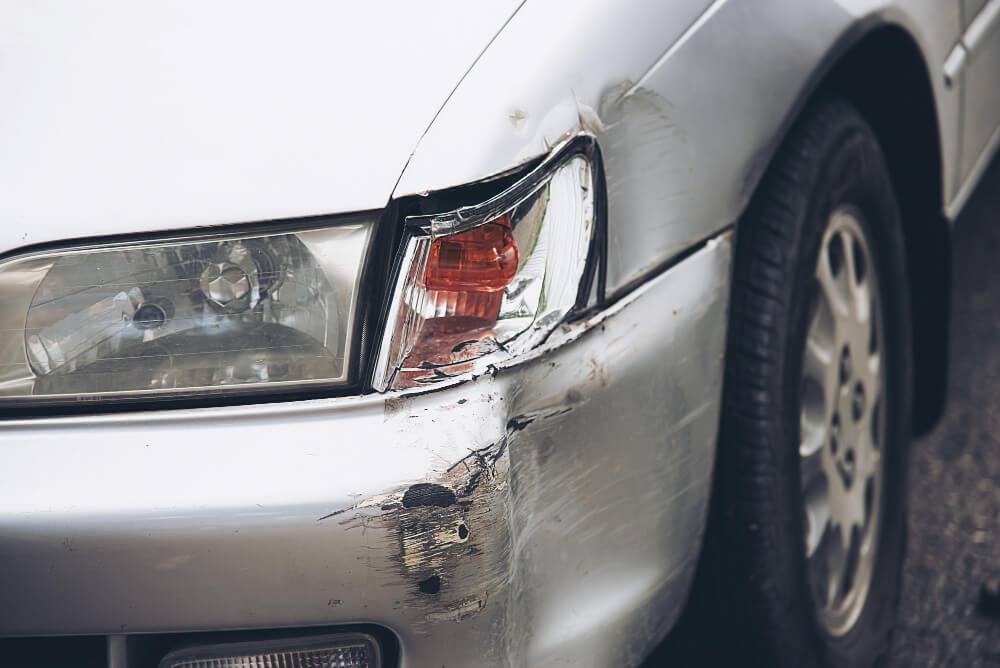


Your car survived the crash with just a scratched bumper, so you drive away thinking everything’s fine. Three weeks later, your dashboard lights up like a Christmas tree, your steering pulls hard to the left, and strange grinding noises come from under the hood.
Hidden car damage after accident situations catches drivers off guard every day. What appears as minor cosmetic harm often conceals serious mechanical, structural, or electrical problems that surface weeks or months later. At Capstone Towing Company (267-365-7210), we help Philadelphia drivers with accident recovery services.
Understanding what damage hides beneath the surface and knowing when to seek professional help protects both your safety and your bank account.
Your vehicle’s frame can bend or twist during impact without showing obvious signs. Even minor collisions create stress points that weaken the overall structure. These compromised areas may not fail immediately, but they reduce your car’s ability to protect you in future accidents.
Crumple zones absorb crash energy by deforming in controlled ways. When these safety features sustain damage, they lose effectiveness for protecting passengers. A bent frame rail or damaged crumple zone might look fine from the outside but perform poorly when you need protection most.
Weld joints throughout your car’s body experience tremendous stress during accidents. These connection points may develop hairline cracks that grow over time, eventually leading to structural failure during normal driving conditions.
Suspension systems take a beating during accidents, even at low speeds. Components like struts, springs, and control arms can bend slightly or develop internal damage that affects handling and tire wear. Your car might drive normally initially, but alignment problems and uneven tire wear will appear within weeks.
Engine and transmission mounts secure these heavy components to your vehicle’s frame. Impact forces can crack or weaken these mounts, allowing excessive vibration that damages other parts over time. You might notice increased engine noise or vibration weeks after the accident.
Brake system damage often goes undetected because brakes may still function adequately despite compromised components. Brake lines can develop small leaks, calipers can stick, or rotors can warp from impact stress. These problems create safety hazards that worsen gradually.
Modern vehicles contain sophisticated electronic networks that control everything from engine management to safety systems. Accident forces can damage wiring harnesses, sensors, and control modules without triggering immediate warning lights.
Airbag systems rely on precise sensor calibration to deploy properly. Impact forces can knock these sensors out of alignment or damage wiring connections. Your airbag warning light might not illuminate immediately, but the system may fail during a future accident when you need it most.
Anti-lock brake sensors, stability control systems, and collision avoidance technology all depend on properly functioning components that accident damage can compromise. These systems may work intermittently or fail completely without obvious symptoms initially.
Accident scenes create chaotic environments where thorough vehicle inspection becomes nearly impossible. Poor lighting, weather conditions, and emotional stress prevent careful examination of your car’s condition. Everyone focuses on immediate safety concerns rather than detailed damage assessment.
Adrenaline affects your perception during and immediately after accidents. Your body’s stress response masks pain and reduces attention to subtle changes in vehicle performance. Problems that would normally catch your attention may go completely unnoticed.
Insurance adjusters and police officers typically examine only obvious damage during initial accident processing. They lack the time, tools, and expertise needed to identify internal mechanical problems, frame damage, or electrical system issues that require specialized diagnostic equipment.
Monitor your car’s behavior carefully after any accident:
Several physical signs suggest problems beneath the surface:
Pay attention to warning lights and system failures:
Safety risks multiply when structural or mechanical damage goes unrepaired. Your vehicle’s crash protection depends on intact safety systems and proper structural integrity. Compromised components may fail catastrophically during future accidents, putting you and your passengers at serious risk.
Financial consequences escalate quickly when problems remain unaddressed. Minor issues that could cost hundreds to repair initially often require thousands of dollars to fix after additional damage occurs. Insurance coverage becomes complicated when damage appears weeks or months after the original accident.
Vehicle reliability suffers as hidden problems create cascading failures throughout interconnected systems. A slightly bent suspension component accelerates tire wear, strains other suspension parts, and eventually causes multiple expensive failures.
Schedule professional inspection immediately after any collision, regardless of severity. Even minor parking lot incidents can cause hidden damage that affects safety and performance. Don’t assume your car is fine because it drives normally or shows only cosmetic damage.
Qualified mechanics use specialized diagnostic equipment to identify problems invisible during casual inspection. Frame measurement tools detect structural damage, computer diagnostics reveal electronic system problems, and experienced technicians spot mechanical issues that untrained eyes miss.
Independent inspections provide unbiased damage assessment separate from insurance company interests. While insurance adjusters focus on covering obvious damage economically, independent mechanics prioritize your safety and vehicle reliability over claim costs.
Photograph everything thoroughly, including areas that appear undamaged. Take pictures from multiple angles and document any changes you notice in vehicle performance or appearance. This evidence protects you if additional damage appears later.
Obtain written inspection reports from qualified professionals. These documents provide official records of damage findings and recommended repairs. Keep detailed maintenance records showing when problems developed and what repairs were completed.
Work with reputable repair facilities that specialize in accident damage. Quality shops use proper diagnostic procedures, genuine parts, and correct repair techniques to restore your vehicle’s safety and reliability.
The smartest approach to accident recovery involves recognizing that appearances deceive. Minor-looking damage often masks serious problems that threaten your safety and create expensive repair bills later. Professional assessment immediately after any accident provides peace of mind and prevents costly surprises down the road.
When accidents happen, experienced recovery professionals who understand proper vehicle handling make a significant difference in preventing additional damage during towing and recovery operations. At Capstone Towing Company, we’ve built our reputation on careful vehicle handling and comprehensive damage assessment support for Philadelphia-area drivers.
Don’t take chances with your safety or financial security. If you’ve been in an accident and need professional guidance or recovery services, contact us at 267-365-7210. We’re here to help ensure your vehicle receives the thorough attention it needs to keep you safe and reliable on the road ahead.