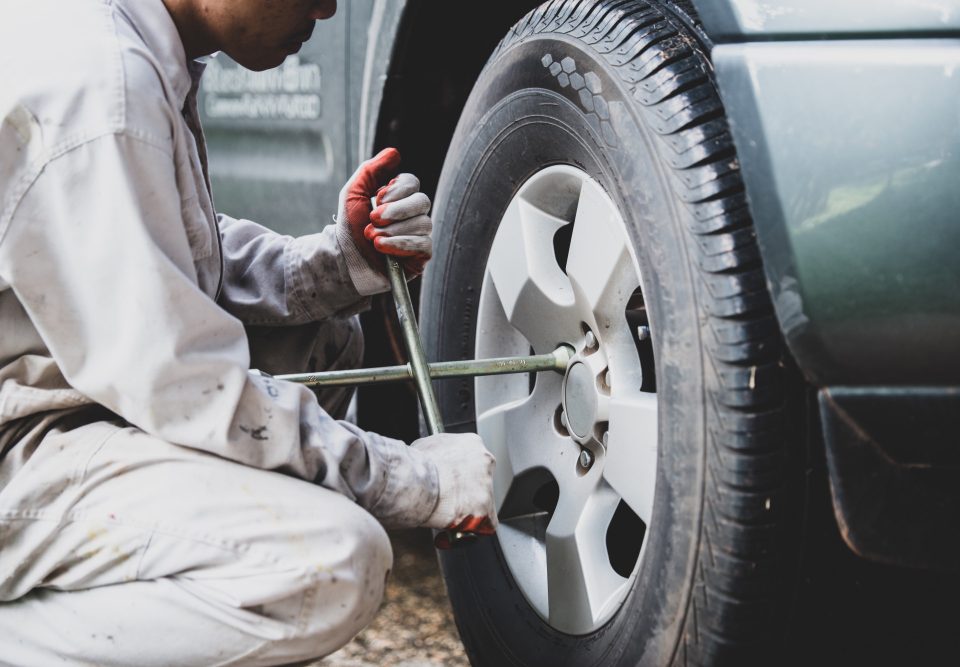


Navigating Philadelphia’s busy streets comes with enough challenges, even before a tire emergency throws your day off track. One moment you’re weaving through I-95 traffic or easing down a narrow neighborhood lane, and the next, your dashboard light flickers on or your car starts to pull sharply to one side, signaling a problem you can’t ignore.
At Capstone Towing Company, we’ve responded to thousands of tire-related calls across the city. Our experience has shown that preparation often makes the difference between a quick fix and a major disruption. Drivers who keep a few essential items in their vehicle can often handle many tire situations themselves or at least stay safe and comfortable while waiting for assistance. If you ever find yourself in need of professional help with a tire emergency, you can reach us at 267-365-7210.
In this article, we’ll share the 10 most important items every Philadelphia driver should keep in their vehicle to handle tire emergencies effectively. From the obvious spare tire to often-overlooked items that can make a significant difference in your safety and comfort, this guide will help you create a complete tire emergency kit tailored to Philadelphia’s unique driving conditions.
Philadelphia’s roads present unique challenges that make tire emergencies particularly common. From the notorious potholes that appear after winter freeze-thaw cycles to the construction debris on our constantly evolving roadways, your tires face daily threats. Add in our seasonal weather extremes and the importance of tire maintenance, and it’s no wonder that tire issues rank among the top reasons for roadside assistance calls in the Philadelphia area.
Being prepared doesn’t just save you from the discomfort of waiting hours for help to arrive. It also provides substantial financial benefits. The average roadside assistance call in Philadelphia costs between $75 and $150, depending on time and location. With a well-stocked emergency kit costing roughly the same amount but serving you for years, the math clearly favors preparation.
More importantly, proper preparation significantly increases your safety during tire emergencies. Each year, numerous accidents occur when drivers are stranded in unsafe locations or attempt tire changes without the right equipment.
Your spare tire is the cornerstone of any tire emergency kit, yet it’s frequently neglected until it’s needed. Many Philadelphia drivers are surprised to discover their spare is flat or deteriorated when they finally need to use it.
There are two main types of spare tires you might have:
To ensure your spare is ready when needed:
How often have you looked at a tire and wondered if it’s actually low or just appears that way? A reliable tire pressure gauge eliminates this guesswork and helps you make informed decisions during tire emergencies.
Digital gauges offer precise readings and are easier to read in low light, while traditional analog stick gauges are durable and never need batteries. Either type will serve you well if used correctly.
For most passenger vehicles in Philadelphia, maintaining pressure between 32-35 PSI provides the best balance of handling, fuel efficiency, and tire longevity. However, your vehicle’s recommended pressure (found on a sticker inside the driver’s door jamb) may differ.
During Philadelphia winters, checking pressure becomes even more critical. Every 10-degree drop in temperature reduces tire pressure by about 1 PSI, potentially triggering your tire pressure monitoring system warnings during the first cold snap of the season.
A portable tire inflator can transform many tire emergencies from tow-worthy situations to minor delays. These compact devices plug into your car’s 12V outlet or connect to the battery, allowing you to add air to an underinflated tire wherever you are.
When selecting an inflator, consider:
For Philadelphia winters, consider models with higher amperage ratings, as they perform better in cold weather. Some newer models also feature rechargeable batteries, eliminating the need to keep your car running during inflation.
With prices starting around $30 for basic models, a portable inflator offers exceptional value compared to a single roadside service call for a simple low-tire situation.
Modern tire repair kits can temporarily seal punctures, allowing you to drive safely to a service center rather than changing to your spare on a busy Philadelphia street.
These kits typically contain:
While effective for small punctures (typically under 1/4 inch) in the tread area, these kits have limitations. They won’t help with sidewall damage, blowouts, or larger punctures. They’re also intended as temporary solutions until proper professional repair can be completed.
For Philadelphia drivers, these kits are particularly valuable during inclement weather when changing a tire would be especially challenging or dangerous. They’re also helpful in areas where pulling over safely might be difficult.
The factory-provided jack and lug wrench that came with your vehicle might be sufficient for occasional use, but their limitations become apparent during actual tire emergencies.
A quality hydraulic jack offers several advantages:
Similarly, an upgraded lug wrench (particularly a cross-style wrench) provides better leverage than most factory tools, making it easier to loosen lug nuts that may be overtightened or corroded from Philadelphia’s road salt.
When using any jack on Philadelphia streets, always place it on the firmest surface available. In winter, be particularly cautious about jack placement, as frozen ground can shift unexpectedly when it begins to thaw under the pressure of a jack.
These simple devices prevent your vehicle from rolling while jacked up, addressing one of the most dangerous aspects of changing a tire. On Philadelphia’s hilly streets, wheel chocks are not just convenient but essential safety equipment.
While purpose-made rubber wheel chocks provide the best security, even folded cardboard, small pieces of lumber, or large rocks can serve as emergency alternatives. Whatever you use, place chocks on both sides of a wheel diagonal from the one being changed.
Wheel chocks require minimal storage space but provide significant safety benefits, especially on the inclined streets found throughout many Philadelphia neighborhoods.
The practical reality of tire changes involves kneeling on potentially wet, dirty, or rough surfaces and handling grimy, sharp-edged components. Proper hand and knee protection transforms this experience.
Work gloves provide:
A kneeling pad or small folding mat delivers similar benefits for your knees and clothes. This becomes particularly valuable on Philadelphia’s frequently wet or slushy roadsides where staying dry makes the entire experience more bearable.
Mechanics’ gloves with reinforced palms and fingers offer the best combination of protection and dexterity, while waterproof options are ideal for our region’s variable weather.
Being seen is being safe during roadside tire emergencies. In Philadelphia’s often congested and fast-moving traffic, visibility equipment can literally be lifesaving.
Pennsylvania law requires vehicles stopped on highways to display warning devices, and a high-visibility vest significantly increases your visibility to passing motorists. This becomes even more critical during Philadelphia’s frequent fog, rain, or low-light conditions.
When setting up reflective triangles or LED flares:
Modern LED flares offer advantages over traditional reflective triangles, including greater visibility and multiple flashing patterns that attract more attention from distracted drivers.
A quality light source is indispensable for nighttime tire emergencies, which seem to occur with surprising frequency. While smartphone flashlights provide emergency illumination, they quickly drain phone batteries and require one hand to hold them.
Headlamps offer the significant advantage of hands-free operation, allowing you to use both hands for the already challenging task of changing a tire. Look for models with:
Keep fresh batteries with your emergency light, or if using rechargeable models, include a car charger or power bank to ensure your light remains functional when needed.
Even with all the right equipment, some tire situations require professional assistance. Having your critical contact information readily accessible prevents the stress of searching for numbers during an already stressful situation.
Keep a weatherproof card in your glove compartment with:
Many Philadelphia drivers find it helpful to also save these numbers in their phones under “Emergency” or “Roadside” for easy access.
Now that you know what to include, assemble these items in a dedicated container in your vehicle. A medium-sized duffel bag or plastic container works well, keeping everything organized and easily accessible during emergencies.
Consider seasonal checks of your kit:
The total investment for a complete kit typically ranges from $100-$200, depending on the quality of components. Compared to the cost of even a single tow in Philadelphia (especially during peak hours or bad weather), this investment provides exceptional value.
Tire emergencies in Philadelphia don’t have to derail your day completely. With these ten essential items in your vehicle, you’ll be prepared to handle many situations yourself or at least remain safe and comfortable while waiting for assistance.
At Capstone Towing Company Philadelphia, we’re always ready to help with tire emergencies through our mobile flat tire service throughout the city at 267-365-7210, but we also believe in empowering drivers to be prepared. The peace of mind that comes from knowing you’re equipped to handle common tire problems makes every mile of Philadelphia driving more enjoyable.
What’s your experience with tire emergencies in Philadelphia? Have these items helped you during a roadside situation? Share your stories or questions in the comments below!