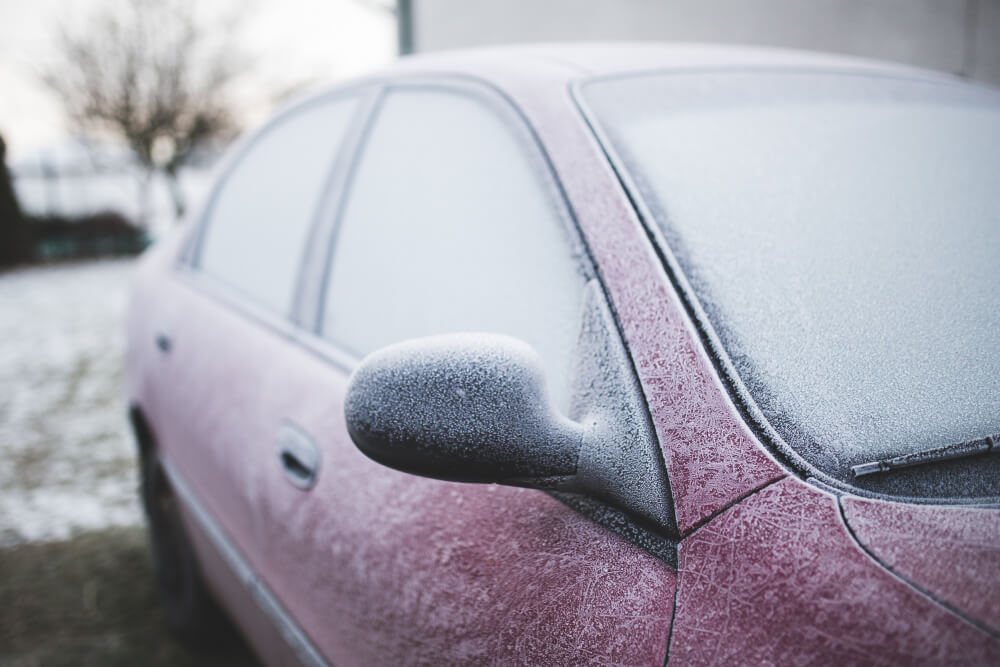

When a car won’t start in cold weather, the problem is usually a weak battery, a poor battery connection, or a starting/charging issue that only shows itself when temperatures drop. You can often narrow it down in a minute by paying attention to what the car does when you turn the key or press Start: no sound at all, a rapid clicking, a slow crank, or a normal crank that never catches. If you’re stuck somewhere unsafe or the car keeps failing after a jump, it makes sense to get roadside help rather than draining the battery and risking more damage. If you’re in the Philadelphia area and need assistance, Capstone Towing Company can help at 267-365-7210.
Start by protecting your safety and the battery you have left. If you’re parked on the shoulder or in a poorly lit area, turn on hazard lights right away. If the engine is not running, avoid sitting in the car with another vehicle idling close by, and never run a generator or anything that creates exhaust near the cabin. Cold-weather breakdowns are stressful, but the immediate goal is staying visible, warm, and out of traffic.
Then do a quick symptom check before you try again. A lot of winter no-start situations get worse because the driver tries to start the car over and over until the battery is completely dead.
If the engine doesn’t start after a couple of reasonable attempts, pause and reassess. Give the starter a break for a minute, and save the remaining battery power for hazards, heat, and calling for help.
Cold weather doesn’t “break” your car so much as it exposes weak links. Batteries produce less usable power when cold, oil thickens, and marginal connections suddenly matter.
A battery that cranked fine in mild weather can struggle once temperatures drop. Interior lights might look normal at first, but voltage can collapse when the starter draws heavy current. That’s why you may get a dash that lights up and then a weak crank, clicking, or a complete shutdown.
Clues that point strongly to the battery include:
A slightly loose battery terminal can mimic a dead battery. In cold weather, metal contracts and resistance increases, so a connection that was “good enough” last month can fail today. Corrosion also acts like an insulator, limiting current flow to the starter.
If you see white, blue, or greenish buildup around the terminals, or the cable ends can wiggle by hand, you’ve found a very likely culprit.
A failing starter can act up more when cold because internal friction is higher and the engine takes more effort to turn. If you hear a single click with no cranking, or cranking is inconsistent even with a known-good battery, the starter circuit becomes more suspicious.
A weak alternator often shows up as repeated no-starts after the car was driven recently. If the alternator isn’t charging properly, you can start the car with a jump, drive it, park it, and still wake up to a dead battery because it never really recharged.
When temperatures drop, oil becomes thicker and the engine is harder to turn, which increases the load on the battery and starter. This is one reason an older battery can “seem fine” until the first real cold snap.
If your vehicle is due for an oil change, or if the oil viscosity in the car doesn’t match what the manufacturer recommends for winter conditions, cold cranking can be noticeably harder.
If the engine cranks normally but won’t fire, fuel delivery can be part of the story. Very low fuel levels can allow condensation issues, and in some conditions water contamination can cause trouble. Modern vehicles also rely heavily on sensors and fuel pressure management; a problem here can look like a “mystery no-start.”
Fuel problems are less likely than battery problems, but they’re worth considering when cranking sounds strong.
If your key fob battery is dying, some cars may not detect the key reliably, especially in the cold. Some vehicles have a specific spot to hold the fob so the car can read it even with a weak fob battery. If an immobilizer light is flashing or a security warning appears, the car may crank and still refuse to start, or it may not crank at all.
In those cases, a jumpstart might not solve anything because the issue isn’t battery power, it’s authorization to start.
These checks won’t fix every problem, but they can quickly tell you whether you’re dealing with a battery/connection issue or something else.
1) Try the headlights test.
Turn on the headlights before you attempt to start.
2) Listen for the fuel pump prime (if your vehicle has one you can hear).
Many cars make a brief hum from the rear when you switch the ignition on. If you normally hear it and now you don’t, that can be a clue. Some newer vehicles are very quiet, so don’t over-weight this.
3) Confirm the car is truly in Park or Neutral.
A misread gear position or a shifter that isn’t fully in Park can prevent starting. If it’s safe, try starting in Neutral.
4) Check for obvious power drains.
Look for interior lights left on, a trunk not fully latched, or a door slightly ajar. In the cold, a marginal battery can die overnight from something that seems minor.
5) Inspect battery terminals if accessible.
If you can safely open the hood, look for:
If you find a loose connection and you have the tools to tighten it safely, it can be an immediate fix. If you don’t have tools, it’s still valuable information to share when you call for help.
A jumpstart is often the fastest fix, but it needs to be done carefully. Cold temperatures increase the chance that a weak battery will behave unpredictably, and in rare cases a battery can freeze and crack.
If the battery case looks swollen, cracked, or is leaking, skip the jump attempt. If the battery may be frozen, don’t try to jump it. A frozen battery can be damaged internally, and charging it aggressively can be unsafe.
Turn off accessories in both vehicles, set parking brakes, and make sure the vehicles are in Park with ignitions off. Position them so cables reach without stretching across moving parts.
The main goals are correct polarity and minimizing sparks near the battery.
Avoid letting clamps touch each other, and avoid reversing connections even briefly. If you’re unsure, a jump pack with clear instructions can be easier than relying on memory in freezing wind.
Let the vehicle run, but don’t assume the job is done. If the battery was deeply discharged, it may need time to recover. If the car dies as soon as you remove cables, the battery may be too weak to sustain the system, the alternator may not be charging, or there may be another electrical problem.
If you have to jumpstart the same car more than once in a short period, plan on a battery and charging system test. Otherwise you’ll keep repeating the same cold-morning crisis.
At this point, you’re not trying random things. You’re matching the symptom to the most likely causes and deciding whether continued attempts help or hurt.
If everything lights up but the engine doesn’t turn, a weak battery or a poor connection is still possible, but the starter circuit becomes more likely. If you can, check terminal tightness and try one careful jump attempt. If it still won’t crank, repeated attempts usually won’t improve things.
This often comes back to voltage. A jumpstart may work, but if the car starts and then struggles again quickly, think battery health, cable condition, or alternator output. If you’re stuck in very cold conditions, preserving battery power matters more than repeated cranks.
When the engine turns over normally and never fires, the issue may not be the battery. Fuel delivery, ignition, sensors, or an immobilizer can be involved. Continuing to crank can overheat the starter, drain the battery, and in some vehicles flood the engine. If you’ve tried a couple of times and nothing changes, it’s usually time to stop and get help.
A little prep prevents most winter no-start calls.
If you’re in an unsafe spot, the weather is severe, your phone battery is low, or you’re not confident working under the hood, calling for help is the smarter move. The “right” repair is not worth it if you’re standing next to traffic or losing feeling in your hands.
There are also vehicle-specific red flags where you should stop trying:
Roadside assistance can provide a safe jumpstart, help identify obvious connection problems, and get the vehicle to a shop if it needs a battery, alternator, starter, or further diagnosis.
Most cases where a car won’t start in cold weather come down to battery power and connections, so paying attention to the symptom pattern, checking terminal tightness and corrosion, and doing a careful jumpstart often gets you moving. If the car still won’t crank, keeps dying after a jump, or you’re stuck in a risky location, it’s better to stop draining the battery and get help. For drivers in the Philadelphia area who need a jumpstart, lockout help, or a tow when a winter no-start turns into something bigger, Capstone Towing Company can assist at 267-365-7210.